

available, how much a service costs, or when someone can call them back. When a business receives only a few messages each day, answering them manually is manageable. As inquiries increase, however, keeping track of every conversation becomes difficult.
WhatsApp automation can help businesses respond faster, organize inquiries, and make customer follow-ups easier. The goal is not to replace personal conversations but to give employees more time to handle questions that require individual attention.
Why Customer Messages Get Overlooked
A growing business may receive messages throughout the day while employees are busy with other responsibilities. Some inquiries arrive during working hours, while others come late in the evening.
Without an organized process, messages can remain unanswered or get buried beneath newer conversations. Customers may then contact another company because they assume their inquiry was ignored.
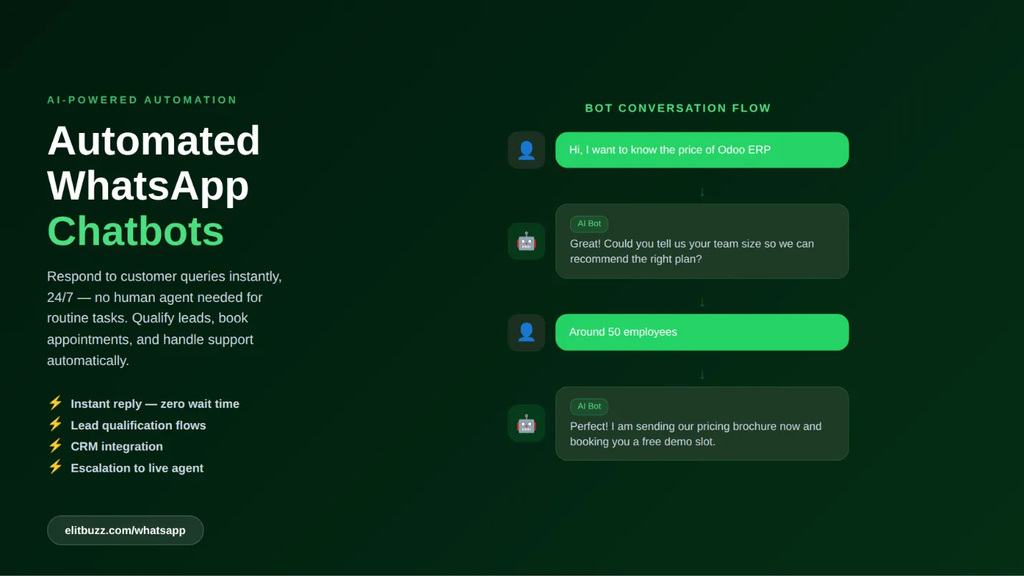
Businesses can use WhatsApp Business automation solutions to acknowledge incoming messages and guide customers toward relevant information. These tools can also direct inquiries to the appropriate employees, depending on how the system is configured.
The First Five Minutes of a Customer Conversation
An automated greeting should do more than tell customers that their message has been received. It can help them understand what to do next.
For example, a service company might ask whether someone needs a quotation, wants to schedule an appointment, or has a question about an existing order. Customers can select the option that best describes their needs.
This saves employees from repeatedly asking basic questions. However, businesses should always provide a clear way to reach a real person when automated answers are insufficient.
Collecting Information Without Frustrating Customers
A useful lead-management process begins with understanding why someone contacted the company. Asking too many questions immediately can make customers uncomfortable or cause them to abandon the conversation.
Businesses should collect only the information needed for the next step. This may include a customer’s name, preferred service, location, or suitable callback time.
Once this information is available, employees can continue the discussion without starting from the beginning. Customer data should be handled carefully, with appropriate consent and access restrictions.
Helping Real Estate Teams Handle Property Inquiries
Real estate agencies frequently receive similar questions about available properties. Potential buyers may ask about prices, neighborhoods, property sizes, or viewing appointments.
Answering every inquiry manually takes time, especially when several agents manage different listings.
Using WhatsApp chatbot solutions for real estate businesses, agencies can organize initial conversations around customer preferences. A chatbot might ask whether someone wants to rent or buy, followed by their budget and preferred location.
Agents can then focus on arranging suitable property visits and discussing specific requirements instead of collecting the same introductory information repeatedly.
Keeping Follow-Ups From Getting Lost
Not every customer makes a decision after the first conversation. Some people need additional information, while others want time to compare different options.
Employees may forget these inquiries when new messages continue arriving. A structured follow-up process helps sales teams identify which conversations need attention.
For example, a salesperson might receive a reminder to contact someone who requested a quotation two days earlier. These reminders should reflect customer preferences rather than encourage unnecessary promotional messages.
Connecting Conversations With Customer Records
Customer communication becomes easier when employees can access relevant information from previous interactions.
A connected customer relationship management system can maintain contact details, assigned sales representatives, and the status of ongoing inquiries. Where supported, WhatsApp interactions can be linked to these records.
This arrangement helps team members understand what has already been discussed. It can also reduce repeated questions when a different employee takes over a conversation.
Businesses should establish clear rules about who can access customer information and how long it should be retained.
Checking Whether Automation Is Helping
Introducing automation is only the beginning. Businesses need to examine whether customers are receiving better service.
Useful measurements include response times, completed appointments, qualified leads, and customer satisfaction. A high number of automated replies does not necessarily mean communication has improved.
Teams should regularly review conversations where customers received incorrect answers or needed additional assistance. Making small adjustments based on these findings can improve the experience over time.
Conclusion
A missed WhatsApp message may seem like a small issue, but repeated delays can affect how customers view a business. A well-planned automation system helps prevent these gaps while giving employees more time for meaningful conversations. The priority should be quick acknowledgment, clear information, and an easy way to reach a real person. Through the communication solutions available at elitbuzz.com, businesses can explore ways to organize inquiries and manage leads more effectively. The real measure of success is whether customers receive better service, not simply how many replies are automated.
